Interview questions by topic
Fresher and campus interview questions, with sample answers

IraAI writerAI interviewing editor
Published by the Itya team · Updated
7 questions · strong and weak answers in candidates' words · anchored 1-to-5 scale
Answers from Ayush, Sneha and Arif, three illustrative candidatesWhat interviewers listen for
- Their own part, in "I". In group projects and fests it is easy to hide behind "we". Strong freshers say exactly what they did.
- Depth over polish. A small project explained in real detail beats a big one they can only describe from the report.
- Learning they chose. Something picked up outside the syllabus because they wanted it, and what they did with it.
- What happened next. After a failed exam, a missed deadline or a teammate who vanished: the step they took, not only how it felt.
- A reason for the field they have tested. Practical reasons are fine; listen for what they have done to find out whether they like the work.
Meet the candidates
Three candidates from different jobs answer the questions below. Each is strong on some and thin on others, the way real candidates are, so you hear both kinds of answer side by side.
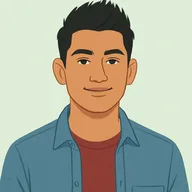
Ayush Tripathi
Final-year B.Tech student, electronics · Prayagraj
Builds things, from a soil-moisture monitor for a local farmer to a mock-test app his hostel uses. Explains his own work in real depth; prefers to figure things out alone, and is less sure why he wants software beyond what his batch is doing.
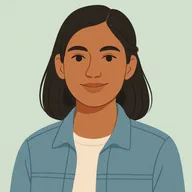
Sneha Jadhav
Final-year B.Com student · Nashik
Interned at a small CA firm and kept the sponsorship accounts for her college fest. Precise, practical and calm near deadlines; her coursework project and online courses have been more box-ticking than curiosity.
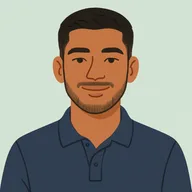
Arif Shaikh
New graduate, B.A. Psychology · Mumbai
Ran a peer-mentoring scheme for first-year students and wants a first job in HR. Thoughtful about people and clear on why he chose his field; vaguer about his own results and his setbacks.
Illustrative people. The names are invented, the portraits are AI-generated, and their words were written by our AI writers to show what candidates sound like. Any resemblance to a real person is a coincidence.
The questions
Tell me about a project you are proud of, from college or on your own. What was your part in it?
Whether the candidate understands their own work in depth and can say what they did, as opposed to what the group did.
Follow up with
- Why did you choose that approach over another?
- What went wrong, and how did you fix it?
- If you had another month, what would you change?
Ayush TripathiFinal-year B.Tech student, electronics · Prayagraj“In third year I built a soil-moisture monitor for a farmer near our college who was watering by guesswork. My part was the hardware and the firmware; a friend did the app. I used capacitive sensors because the cheaper resistive ones corroded within two weeks in our first trial. The hard part was power: it ran on a battery and died in four days. I changed it to wake every fifteen minutes, take a reading and go back to sleep, and it lasted about seven weeks. He used it for a season and says he needed about a quarter less water. If I did it again, I'd log the data from day one; we lost the first month's readings.”
What makes it strong
Picks one project, says clearly which part was theirs, explains the choices they made and why, describes a problem they hit and how they solved it, and can go deeper on any detail the interviewer picks.
Sneha JadhavFinal-year B.Com student · Nashik“We did a project on consumer behavior toward online shopping. We made a questionnaire, collected around a hundred responses and prepared a report with charts. Our professor liked it and we got good marks.”
What gives it away
Describes the project in "we" from start to finish, repeats the title and the marks, or cannot explain a choice when asked why.
Walk me through your internship or part-time job. What did you do, and what came of it?
Whether the candidate can describe real work, with tasks and results, rather than the company name and "a great learning experience".
Follow up with
- What did a typical day look like?
- What did you get wrong, and how did you find out?
- What would your supervisor say you did well?
Sneha JadhavFinal-year B.Com student · Nashik“I interned for two months at a small CA firm, in the GST team. My main job was matching the input tax credit each client claimed against what their suppliers had actually filed. I did that for fourteen clients, mostly shops and small manufacturers. For one client I found invoices worth about 1.8 lakh rupees that the supplier hadn't filed, so the credit wasn't safe to claim. I flagged it to my senior, and the client chased the supplier before the return went in. In my first week I did the matching in the wrong order and redid two days of work, so now I always start from the supplier's filing. In a full-time job I'd like more of exactly that: finding the thing that doesn't match.”
What makes it strong
Describes specific tasks and volumes, a result or a mistake they can point to, what they learned to do differently, and what they would want to do more of in a full-time role.
Arif ShaikhNew graduate, B.A. Psychology · Mumbai“I did a two-month internship with an HR consultancy in Andheri. I was handling recruitment work, like sourcing and screening candidates and coordinating interviews. It was a great learning experience, and I learned a lot about corporate culture and how HR works in real life.”
What gives it away
Names the company and the department, lists duties in general terms, and sums up with "great exposure" or "learned a lot about corporate culture", with nothing anyone could check.
Why this field? What first got you interested, and what have you done about it since?
Whether the candidate has a reason for the field that they have acted on, beyond salary or what their classmates are choosing.
Follow up with
- What surprised you once you started learning about it?
- Which part of the work do you think you would not enjoy?
- What would you do if you were not doing this?
Arif ShaikhNew graduate, B.A. Psychology · Mumbai“Partly by accident. In second year our college started a peer-mentoring scheme for first-years. I signed up as a mentor and ended up running it with one teacher: about forty mentors and two hundred students. What hooked me was noticing that the students who struggled most weren't the weakest; they were the ones nobody had explained the system to. To me that's HR at its best. Since then I've done the internship, a short course on labor law basics, and I've asked three people in HR about their days. One told me half the job is spreadsheets and difficult conversations. I still want it.”
What makes it strong
Gives an honest reason (practical reasons are fine), then shows what they have done since to test it: a course, a project, conversations with people in the field. Knows something about the day-to-day work, including the dull parts.
Ayush TripathiFinal-year B.Tech student, electronics · Prayagraj“Honestly, software has the best packages, and most of my batch is going that way. Core electronics jobs are very few, and the pay is less. I'm good at coding, so it makes sense for me.”
What gives it away
Says the field pays well, that everyone in their batch is going there, or that it has 'good scope', with nothing they have done to find out whether they would like the work.
Tell me about a time a team you were part of in college ran into trouble. What did you do?
How the candidate works with others when things go wrong: whether they step in, communicate, and can say what their own part was.
Follow up with
- What was your role in the team?
- What did you say to the others, and when?
- What would you do differently next time?
Sneha JadhavFinal-year B.Com student · Nashik“I was on the finance desk for our college fest, keeping the sponsorship accounts. Three days before the fest, one sponsor's payment of sixty thousand rupees hadn't come, and the sound vendor wanted his advance from that money. The fest head wanted to cancel the sound. I called the sponsor's office and found the payment was stuck because our invoice had the wrong GST number. I reissued it that afternoon, and meanwhile I asked the vendor to accept half the advance, with the sponsor's email as proof the rest was coming. He agreed, and the money came the next day. After that I made a checklist so two of us checked every invoice before it went out.”
What makes it strong
Describes a real problem with stakes (a deadline, money, a teammate who disappeared), what they personally did and said, how the team got through it, and what they would do differently.
Ayush TripathiFinal-year B.Tech student, electronics · Prayagraj“In our final-year project, two of my teammates weren't doing much, so I just did most of it myself. It was faster that way, and we finished on time. Teamwork is important, but sometimes you have to take things into your own hands.”
What gives it away
Talks only about what "we" did, blames a teammate, or did the whole thing alone without telling anyone and calls that teamwork.
What is something you taught yourself that was not part of your syllabus?
Whether the candidate learns because they want to, and can show what they did with what they learned.
Follow up with
- How did you learn it, and what did you use?
- What did you build or do with it?
- What was harder than you expected?
Ayush TripathiFinal-year B.Tech student, electronics · Prayagraj“In second year, a lot of us were struggling with the aptitude tests companies use, so I taught myself web development to build a mock-test app for our hostel. I used free documentation and videos, about two hours a night for six weeks. The first version crashed when forty people logged in at once before a test, which was embarrassing; I learned what a database connection pool is that night. About three hundred students in my college use it now, and juniors add the questions. The more useful thing I learned is reading error messages properly instead of guessing.”
What makes it strong
Names something specific, how they learned it, something they made or did with it, and where they got stuck. Shows a habit of learning, not a certificate.
Sneha JadhavFinal-year B.Com student · Nashik“I've done a certificate course in Tally and one in digital marketing online. Both were very useful, and I got the certificates. I think it's important to keep upgrading your skills.”
What gives it away
Lists certificates or online courses without anything they did with them, or names something only because it looks good on a CV.
It's your second week. Your manager gives you a task you don't fully understand, then goes into meetings for the rest of the day. What do you do?
Whether the candidate balances working things out alone with asking for help early, and asks in a way that respects other people's time.
Follow up with
- How long would you try on your own before asking?
- Who else could you ask?
- What would you write in the message to your manager?
Arif ShaikhNew graduate, B.A. Psychology · Mumbai“First I'd write down what I think the task is, in my own words, and mark the parts I'm not sure about. Then I'd look for anything similar: an old file, an earlier email, how it was done last time. If a teammate is around, I'd ask them for ten minutes. If I'm still stuck, I'd message my manager rather than wait for the evening, with my understanding in two lines and one or two specific questions, so they can answer between meetings. Meanwhile I'd start on the part I'm sure of, so the day isn't lost.”
What makes it strong
Works out what they do understand, starts on that part, writes down specific questions, looks for help elsewhere (a teammate, earlier examples), and sends the manager a short message with what they've done and what they need, rather than waiting or guessing.
Ayush TripathiFinal-year B.Tech student, electronics · Prayagraj“I'd figure it out myself. I wouldn't want to disturb my manager in the second week, so I'd search online, do what I think is right and submit it. If it's wrong, they'll tell me and I'll fix it.”
What gives it away
Waits until the manager is free and does nothing meanwhile, or guesses silently to avoid looking unsure and hands in the wrong thing.
Tell me about a time something went badly for you in college: an exam, a placement round, a plan that fell through. What did you do next?
Whether the candidate can talk about a setback honestly, without excuses, and show what they changed afterwards.
Follow up with
- What do you think caused it?
- What did you change, and how do you know it worked?
- Who did you ask for help?
Sneha JadhavFinal-year B.Com student · Nashik“I wrote the CA Foundation exam in my first year and didn't clear it; I failed accounting by six marks. I was upset for a week. Then I went through the paper and saw I'd lost most of the marks on time, not knowledge: I never reached the last two questions. For the next attempt I did every mock paper against a clock, and practiced leaving a question I was stuck on and coming back to it. I cleared it the next time, and I'm doing CA Intermediate alongside my B.Com now. I've prepared for every exam since against a clock.”
What makes it strong
Names a real setback, takes their share of the cause without blaming others or themselves excessively, describes the specific steps they took next, and shows the result.
Arif ShaikhNew graduate, B.A. Psychology · Mumbai“In second year I stood for the student council and didn't get in. I was disappointed, but I believe things happen for a reason, so I didn't dwell on it and focused on my studies instead.”
What gives it away
Claims never to have failed, offers a disguised strength ("I worked too hard"), blames the exam or the panel, or moves on without changing anything.
Rating the answers
Rate straight after the interview, alone, against these anchors, and write down the line the candidate said that earned the score.
| Rating | What it looks like |
|---|---|
| 5 · Strong | Explains their own work in depth with numbers or results, says clearly what they did in a team, shows learning they chose and used, owns a setback and the step they took next, and gives a reason for the field they have tested. |
| 3 · Mixed | Gives real examples from college, an internship or a project, but their own part, the detail or what they would do differently stays thin until prompted. |
| 1 · Weak | Speaks only in "we" or in generalities, cannot explain their own project when asked why, and has no example of learning, teamwork or a setback beyond a stock line. |
If you are the candidate
- Prepare three stories before the interview: a project, an internship or part-time job, and a time something went wrong. Most fresher questions draw on one of them.
- Say "I" for what you did. "We built an app" tells the interviewer nothing about you; "I wrote the login and the database" does.
- Know your own project well enough to explain any choice or number in it. Interviewers often pick one detail and keep asking "why?".
- Little experience is normal. Use what you have: college fests, clubs, sport, tutoring, a family business, volunteering.
- If you chose your field for practical reasons, say so, then add what you have done since that shows you want the work.
Never ask
- Don't ask what the candidate's parents do, their family income or their native place. Why: in India these are proxies for caste, class and community, and none of them says anything about how a graduate will do the job.
- Don't ask about marriage plans, or whether a woman's family will let her relocate or work late. Why: marital status and family plans are not job-related, and these questions are put to women far more often than to men. State the location and the hours, and ask every candidate the same question about them.
- Don't screen on the college's name, board percentages or a CGPA cutoff and call it merit. Why: they track access to schooling and coaching as much as ability, and they shut out strong candidates from smaller colleges. Test the skill the role needs with the same short task for everyone.
- Don't ask 'Why should we hire you when you have no experience?'. Why: it tests composure under a put-down, not ability, and it rewards the candidates who were coached for it. Ask about a project, an internship or a college team instead.
- Don't ask a candidate's nationality, citizenship or visa type. Why: in the US, national-origin and citizenship questions invite discrimination claims. Ask every candidate the same two questions: are you authorized to work in the country, and will you need visa sponsorship?
Questions people ask
- What questions are asked in a fresher interview?
- Most rounds cover your projects, any internship, why you chose the field, teamwork and setbacks in college, and something you learned on your own, alongside technical or aptitude questions for the role. Interviewers listen for your own part and the detail behind it, not a polished speech.
- How can freshers answer behavioral questions with no work experience?
- Use college projects, internships, fests, clubs, sport, part-time work or volunteering. A good interviewer rates the behavior, not where it happened: did you take on a task, deal with a problem and finish it?
- Do marks and CGPA matter in a fresher interview?
- Some employers use them to shortlist. In the interview itself, what you can explain and do counts for more. If your marks are low, have a short, honest answer ready about why and what changed, then move on to your best work.
- How should interviewers rate freshers fairly?
- Ask every candidate the same questions, rate against anchors that say what a 1, a 3 and a 5 sound like, and judge the answer rather than the college, the accent or the polish. Ask 'What exactly was your part?' every time, so modest candidates are not marked down for saying 'we'.
- Are these questions useful for entry-level hiring outside India?
- Yes. Campus recruiting and graduate programs in the US, the UK and elsewhere ask about the same things: projects, internships, teams and learning. Read GPA for CGPA and career fairs for placements; the behaviors being rated do not change.
Ask it the same way every time.
Itya puts these questions in every interviewer's guide, records the answers, and drafts a scorecard that quotes the line behind each rating. The AI drafts; your team decides. Free plan, unlimited teammates.